This sermon is the last one I preached as pastor of the Bath Church of the New Jerusalem. During the children's time we talked about the power of ritual, and then had a time of anointing in which the children anointed the adults with healing oil from the Mount of Olives. Later we had a time of prayer in which we could offer up our prayers using special paper and the tray of candles. The paper represented our prayers, and the way the paper burned quickly and disappeared without any ash or residue represented the Lord accepting our prayers as well as how we are transformed by God's love.
The special music immediately following the sermon was "Winter Song" performed as a duet by myself and Alicia Dole.

“Healing, Hope, and the Magical Future”
Rev.
Alison Longstaff, Oct. 25, 2015
Bath
Church of the New Jerusalem
Jeremiah 17:7-8,
10, 14; Mark 9: 17-24; Apocalypse Explained
518:5
Healing
There is a saying that caught me off guard
the first time I heard it in a twelve step program. It is this: “We will not regret the past nor
wish to shut the door on it.”

While I didn’t regret everything about my past when I heard this statement, there
certainly were parts I would rather have forgotten. Shutting the door on the embarrassing moments
from my past seemed eminently sensible. The, “we don’t speak about that
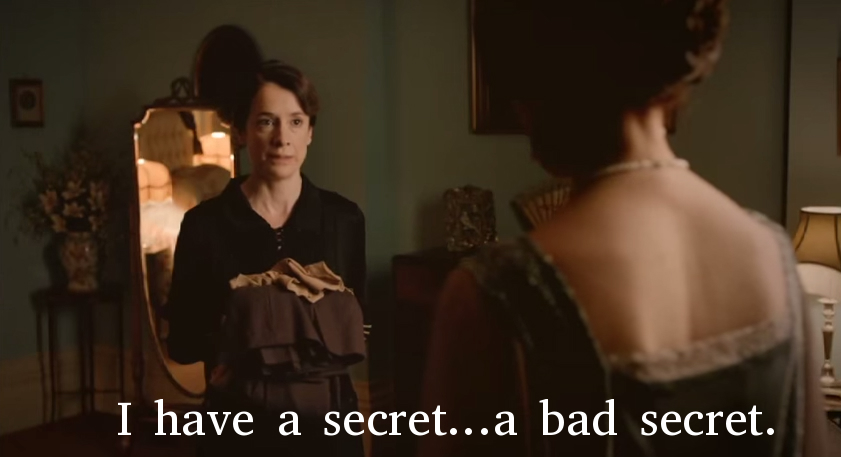
anymore,” sort of rule that I associate with a Downton Abbey approach to life
ruled in my psyche. I pushed away
memories of uncomfortable events because they were, well, uncomfortable.
Not only do twelve step programs ask us to
open the door to the things we would rather forget, they promise us that we will
not regret the past once we submit to the healing work of spiritual growth. We first need to admit our mistakes, learn
from them, make amends when we can, and then move on to better behavior. These steps bring us to a place of “no regret.”
“No regret” means we incorporate all of
our experiences, good and bad. We don’t try to hide anything. We don’t even want to.

In one of my first children’s talks here I
told a story from my high school years. I was at a mass sleepover, and one of
the girls was telling a story. In the
middle of the story this popular girl sneezed, and a booger shot out of her
nose and onto her hands right in front of us.
There was a stunned silence. “Oh my gosh! How gross!” she laughed. “I can’t believe that happened!” She exclaimed in embarrassed good
humor, then asked for a tissue, and moved on with her tale. She did not
spiral into a pit of mortification and shame.
She did not try to pretend it didn’t happen. She made it funny. We laughed together to the point of tears. Her lack of shame helped us all.
Moving out of shame into personal integrity
requires complete honesty and self-forgiveness. We tell our story with humor and compassion,
hiding nothing, accepting all parts of our story. We see that we are not more broken than anyone else nor are we less broken, and our compassion begins to extend to everyone else
we encounter. Everyone makes
mistakes. Do we think we are less
lovable when our mistakes are
known? It actually makes us more lovable in God’s eyes.

When things don’t go perfectly in a group or
encounter, we humans tend to go into judgment and blame. We try to discover who was “wrong” and then
we distance ourselves from that “wrong” one.
It shows up as gossip, negative story-telling on others, and social
cut-offs. This human tendency goes back even before the Old Testament from
which we get the name “scapegoating.” I hope by now that everyone in this room
knows that blaming and chopping off a part of our group is about the least
helpful response to any painful situation. It is about as helpful as cutting off our hand should we accidentally hit
it with a hammer.
When we step away from shame and blame and
“what other people think,” we find ourselves in a whole new world—one in which
nobody is perfect, and yet all are still lovable. There is healing in such a forgiving space. We become kinder to ourselves and others. When we recognize our own flawed humanity in
the other we are less likely to cast stones and more likely to bandage up.
I have heard some people describe our journey
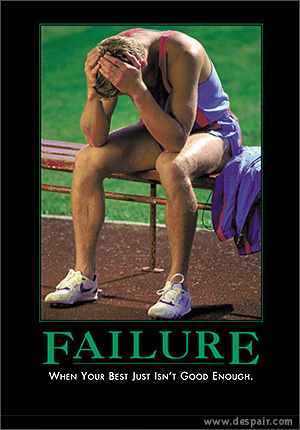
together here at this church and my coming departure as some sort of failure. I don’t see it that way at all. I believe that every step of this journey has
been guided by God’s benevolent Providence, and that everything that has happened
has provided important learning for all concerned. Did everyone make perfect decisions and
behave perfectly at all times? Of course
not. We are a group of humans, and the last
time I checked, that means nobody is perfect. If we all have been showing up
with good intentions, humility, and a willingness to learn, then we have done
well. I know I leave with tremendous
personal gifts of learning, truly invaluable experiences, and a bunch more
people to love and whom I will miss very much.
Hope
There was a funny moment at the 2014
Convention in St. Louis. The cafeteria had big glass windows that looked out onto
a patio. On the nice days, many of us
wanted to eat out there, but to do so required a long walk around a side
corridor to go out a side door. There was a door through the big glass wall,
but everyone “knew” that it was locked.
Every once in a while, someone would try it, have no success, and walk
the long way around.

Then as I sat eating, I watched a woman walk
up to the glass door, give it a good yank, and walk outside when it
opened. I just started laughing. That woman’s can-do attitude made her able to
get through a sticky door that all others had believed was locked. It had never been locked. It just took a bit of determination to open. Believing that a door is unlocked
can’t make it be unlocked, but it sure helps to open unlocked doors that are just a little sticky! It simply needed faith, determination, and muscle.
Some of you know that my apartment door
sticks. I have called down the stairs to
several visitors to “come on in; it isn’t locked,” yet its stickiness still
stops a few. I guess they don’t believe
me when I say it isn’t locked. And so I
march down the stairs and yank it open for them and let them in. No, it really
isn’t locked. It really is just sticky.

I am sure that you have had experiences of
setting your mind to doing something, and found the ability to get it done
because of your sheer determination. Believing that something is possible can
give us the power to do the “impossible.”
However, if we start a project thinking “it has never worked before so
it won’t work this time either,” we will probably fail. We tend to discover what we expect to
discover. Believing that something isn’t possible can keep us from even
attempting projects of which we are actually capable. Sometimes “believing” truly is what enables us to “see” a thing come
to pass.
When Jesus said, “Your faith has made you
well,” he truly was meaning “faith” on every level of our being. Jesus was able to heal his followers because of their great faith in
him. It was their faith in his ability to heal
them that was in itself healing. The
Divine healing energy united with their confidence, allowing it to transform
their spirits all the way down through the cells of their bodies.

Our psalmist cried out, “Heal me, and I will be healed; oh,
Lord. Save me and I will be saved!”
And Jesus responds to our cry, “Your faith
has made you well.”
In some ways our spiritual recovery is still
that simple. “Seeing” may be
“believing,” but even more so “believing” brings about “seeing.” Thomas could not believe until he saw the
wounds in the Lord’s hands, and there is a Thomas inside each of us. But it is also true that sometimes we simply
can’t see a thing until we first believe it is possible.
All too often, our fear of failure means we hide
in a story of “can’t.” Isn’t it easier to give up rather than try and
fail? So we tried. So it didn’t turn out as planned. Maybe it is time to try again with more fierceness
and an even deeper trust in God’s ability to work within and through our faith. But if we believe that a thing is hopeless,
there is only so much God can do.

That we will not be able to “see” things in
which we do not believe is a truth more maddeningly powerful than most of us
would like to, well, believe. Anyone who wants to see the past twenty-two months
as some sort of failure, will see it as a failure. This could lead to ever more negative
conclusions, rather like that poem* we read in our children’s talk a few weeks
ago. But if we believe that God guided
every step of this process, from call to acceptance, from joyful to jaded, from
optimistic even to opting-out, then nothing truly went wrong. The past months
of love and hard work alongside each other could be seen as exactly what the
doctor ordered for everyone’s ongoing growth.
I know I learned some invaluable lessons about parish ministry and about
myself, and I believe that I will be leaving this congregation that much
stronger and more self-aware, and even better equipped for building your
future. We have done some amazing things
together.

The Magical Future
Last weekend I was at a two-day event
dedicated to the world of Harry Potter.
There is something about the Harry Potter stories that have so captured
the imagination of all ages that families will travel hundreds of miles to have
the chance to play in that world and enjoy the collective experience. Everywhere I looked I saw round glasses and
lightning scars, wizarding robes and magic wands, and most of all great big smiles.
I spoke to a packed classroom about the magic
of words and the powerful ways we already use words to effect change for the
better in our lives. My particular focus
was how we use word and story to protect ourselves from negativity in our
lives. My talk was entitled, “Teaching
Defense against the Dark Arts to Muggles” and seemed to strike a powerful chord
in the listeners.


The
love that God gives you, the love that lives inside your beating heart is that very
same passion. It is more powerful than
you realize, especially when you align it with love for a good cause and faith
in our all-powerful God. If we pray for
help with any good cause, you can bet God will provide. Love is powerfully and mightily alive, if we
are willing to open our hearts to it. It
can open any doors and drive away the darkest of monsters.

Heal us, O
Lord, and we will be healed.
Lord, we
believe; help, please, our unbelief.
There is no need to regret the past nor wish
to shut the door on it, for it has made each one of us who we are, and has all
been part of God’s plan.
Is God’s love alive? You can bet it is.
Does God have an intention for good for this
determined little group? Have no doubt
about it.
Amen
The Readings
Jeremiah 17:7-8,10,14
“But
blessed is the one who trusts in the Lord, whose confidence is
in him.
That one will be like a tree planted by the water that spreads out its roots by the river.
That tree does not fear when heat comes; its leaves are always green.
It will not be anxious in the year of drought, neither will it fail to bear fruit.”
That one will be like a tree planted by the water that spreads out its roots by the river.
That tree does not fear when heat comes; its leaves are always green.
It will not be anxious in the year of drought, neither will it fail to bear fruit.”
“I the Lord search the heart and
examine the mind, to reward each person according to their conduct, according
to the fruit of their actions.”
Heal me,
and I will be healed; save me and I will be saved, for you are the one I
praise, O Lord.
Mark 9:17-24
Someone
from the crowd said, “Teacher, I brought you my son; he has a spirit that makes
him unable to speak; and whenever it seizes him, it dashes him down; and
he foams at the mouth and grinds his teeth and becomes rigid. I asked your
disciples to cast it out, but they could not do so.”
He
answered them, “You faithless generation, how much longer must I be among you?
How much longer must I put up with you? Bring him to me.” And they
brought the boy to him. When the spirit saw Jesus, immediately it convulsed the
boy, who fell on the ground and rolled about, foaming at the mouth. Jesus asked
the father, “How long has this been happening to him?”
And
he said, “From childhood. It has often cast him into the fire and into the
water, to destroy him; but if you are able to do anything, have pity on us and
help us.”
Jesus
said to him, “If you are able!—All things can be done for the one who believes.”
Immediately
the father of the child cried out, “Oh Lord, I believe; help my unbelief!”
Apocalypse Explained 518:5
There are three reasons why faith in the Lord healed the
Lord’s followers.
The
first reason was that they believed that Jesus was God and therefore Omnipotent.
The
second reason was that true faith brings complete trust, and complete trust creates
a spiritual bond. All spiritual bonds which spring from complete trust cause
each one to be spiritually present with the other. (This happens all the time in the spiritual
world.) A spiritual connection was
created because of the complete trust in Jesus’s Omnipotence. And because of
this complete trust a spiritual connection with Jesus was established, which
produced a transformation in their spiritual state. This is what is meant in
the Scriptures by “the faith” that made them well.
The
third reason why faith in the Lord healed the Lord’s followers was that all
the natural diseases which the Lord healed represented and therefore were the
embodiment of spiritual diseases to which they corresponded. These spiritual diseases could only be healed
by trusting in the Lord, by trusting His Divine Omnipotence, and by committing
to live a better life. *The Poem referenced is:
Worst Day Ever?
by Chanie Gorkin, Brooklyn NY
Today was the absolute worst day ever
And don’t try to convince me that
There’s something good in every day
Because, when you take a closer look,
This world is a pretty evil place.
Even if
Some goodness does shine through once in a while
Satisfaction and happiness don’t last.
And it’s not true that
It’s all in the mind and heart
Because
True happiness can be attained
Only if one’s surroundings are good
It’s not true that good exists
I’m sure you can agree that
The reality
Creates
My attitude
It’s all beyond my control
And you’ll never in a million years hear me say
Today was a very good day
(Now read it from bottom to top, the other way,
And see what I really feel about my day.)


